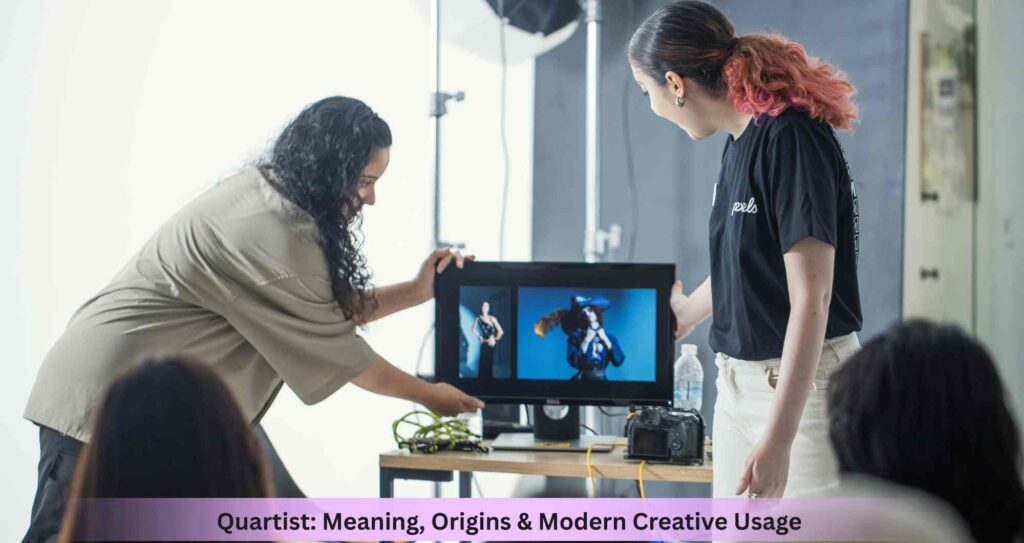

The world of creativity is vast and ever-evolving, with new terms constantly emerging to capture the essence of artistic expression. One such term gaining traction is “quartist.” But what does it really mean? As artists navigate through various mediums and styles, “quartist” has become a badge for those who blend traditional artistry with modern influences. This unique identity reflects versatility in creative pursuits, transcending boundaries between art forms.
In this blog post, we’ll explore the meaning behind “quartist,” its origins, and how it has been reshaped over time. We’ll delve into its significance in today’s digital culture while addressing common misconceptions surrounding this intriguing concept. Whether you’re an artist seeking to understand your own identity or simply curious about contemporary art trends, join us on this journey into the vibrant world of quartists—a community that thrives on innovation and collaboration!
What Does “Quartist” Mean?
The term “quartist” is a fusion of two distinct identities: “quadrant” and “artist.” It encapsulates the essence of someone who does not limit themselves to one form of expression but rather explores multiple facets of creativity. A quartist embraces versatility, moving fluidly between various artistic disciplines such as painting, digital art, music, writing, and beyond.
At its core, being a quartist means having an eclectic approach to creativity. These individuals often draw inspiration from diverse sources and incorporate different styles into their work. This multifaceted nature allows them to create unique pieces that resonate with broader audiences.
In many ways, the quartist identity challenges conventional notions of what it means to be an artist. No longer confined by traditional labels or mediums, they embody a spirit of experimentation and innovation. Quartists thrive on collaboration and often inspire others within creative communities.
This concept highlights the importance of adaptability in today’s fast-paced world where trends shift rapidly. Artists are encouraged to evolve alongside technology and cultural changes; hence the rise in popularity of quartism signifies a new era in artistry.
The identity of a quartist represents freedom—the freedom to explore various pathways without fear or limitation. It invites artists at all levels to embrace their full potential while fostering cross-disciplinary connections within the creative landscape.
Origins of the Term “Quartist”
The term “quartist” is a fusion of two distinct concepts: “quarter” and “artist.” This combination reflects both a multicultural influence and an innovative approach to creativity. The word emerged in the early 2000s, gaining traction within communities that embraced diverse artistic expressions.
Initially, it was used to describe artists who worked across multiple disciplines, blending traditional methods with modern techniques. These individuals did not conform to one specific genre or style; instead, they drew inspiration from various sources—music, visual arts, digital media, and beyond.
As the digital age progressed, so did the definition of quartist. With social media platforms allowing for broader dissemination of creative work, more people began identifying as quartists. This shift highlighted accessibility and inclusivity in art-making processes. The term thus gained popularity among those who felt their multifaceted talents were underrepresented.
Moreover, cultural influences cannot be overlooked when discussing its origins. As globalization increased connectivity between different regions worldwide, artists found themselves inspired by cross-cultural dialogues manifesting through collaborative projects that transcended geographical boundaries.
Today’s understanding of “quartist” encapsulates these earlier trends while continuing to evolve further into new spheres like virtual reality experiences and interactive installations. It embodies a spirit of exploration that resonates deeply within modern artistic communities.
How the Concept of Quartist Evolved Over Time
The concept of “quartist” began as a blend of traditional art forms and emerging digital technologies. Initially, it was used to describe artists who were not confined to a single medium or style. They embraced multiple disciplines, from painting to graphic design, reflecting an ever-evolving creative landscape.
As the internet gained traction in the late 20th century, so did new opportunities for creative expression. Quartists started utilizing online platforms to share their work with broader audiences. This shift allowed them to showcase diverse talents and connect with like-minded individuals across the globe.
With social media’s rise in popularity, the definition of quartist expanded further. Artists began using these platforms not just for sharing artwork but also for engaging with fans and other creatives. Their identities became increasingly intertwined with their online personas.
In recent years, technology has played a significant role in shaping what it means to be a quartist. The advent of virtual reality (VR) and augmented reality (AR) opened new avenues for artistic exploration. Quartists can now create immersive experiences that challenge conventional boundaries between art and audience engagement.
Today, being a quartist reflects adaptability and innovation within various creative fields. It signifies more than just versatility; it’s about embracing change while maintaining authenticity in one’s artistic journey.
Modern Usage of Quartist in Art and Digital Culture
The term “quartist” has gained significant traction in modern art and digital culture. Today, it often refers to creators who blend multiple disciplines, such as visual arts, music, and digital design. This fusion reflects a shift away from traditional boundaries between artistic genres.
In the age of social media, quartists use platforms like Instagram and TikTok to showcase their multifaceted talents. These channels allow them to reach wider audiences while experimenting with innovative formats. The ability to share work instantly encourages collaboration among artists from different backgrounds.
Notably, the rise of NFTs has also impacted how quartists operate within the digital landscape. Many merge their physical art with blockchain technology, creating unique pieces that can be collected or traded online. This new frontier provides both financial opportunities and challenges for creative identity.
Quartists are not limited to just one style or medium; they thrive on versatility. They might create an immersive installation one day and a catchy song the next—always pushing boundaries further than ever before. Their approach inspires others in various fields to redefine creativity itself.
As more people embrace this concept across cultures globally, we see a growing acceptance of hybrid identities in creative expression. Quartist is becoming synonymous with innovation in today’s interconnected world where creativity knows no limits.
Quartist and Its Influence on Creative Communities
The term “quartist” has emerged as a significant identity within creative communities. By blending the concepts of quirkiness and artistry, it represents individuals who embrace unconventional methods and unique perspectives in their work. This fusion encourages experimentation and innovation, often leading to groundbreaking artistic expressions.
Quartists inspire others by fostering an inclusive environment where diverse ideas can flourish. They challenge norms and push boundaries, inviting fellow creators to think outside traditional frameworks. This open-mindedness allows for collaborations that yield fresh insights across various disciplines.
In digital culture, the influence of quartists is even more pronounced. Social media platforms serve as vibrant spaces for these creatives to showcase their distinct styles while connecting with like-minded individuals globally. Hashtags associated with quartistry help cultivate communities around shared interests and aesthetics.
Moreover, quartists drive movements that celebrate individuality over conformity. Their contributions not only enrich the art world but also empower people from all walks of life to express themselves authentically without fear of judgment or rejection.
As more creators identify as quartists, they continue to shape conversations about creativity’s role in society. The impact transcends mere artistic expression; it challenges existing paradigms by advocating for authenticity in every aspect of life—both personal and professional.
Common Misconceptions About Quartist
Many people confuse “quartist” with merely being a blend of various artistic styles. While versatility is a hallmark of quartists, the term embodies more than just eclecticism. It signifies a unique approach to creativity that transcends traditional boundaries and embraces innovation.
Another misconception is that quartists lack focus or depth in their work. This couldn’t be further from the truth. Quartists often delve deeply into multiple disciplines, allowing them to draw connections between seemingly disparate ideas and techniques. Their breadth of knowledge can lead to profound insights and groundbreaking art forms.
Some believe that being a quartist means one doesn’t specialize in any particular medium. However, many quartists have strong foundations in specific areas but choose to explore beyond those confines as part of their creative journey. This exploration enriches their primary craft rather than diluting it.
People may also think that the term “quartist” is solely related to digital art or modern expressions of creativity. In reality, this identity encompasses all forms of artistic expression—be it painting, sculpture, music, or performance arts—demonstrating adaptability across generations.
There’s an assumption that all quartists are well-known figures within the art community. Yet many operate quietly behind the scenes or on smaller platforms while still making significant contributions through innovative practices and engaging narratives in their work.
How to Identify a Quartist in Today’s World
Identifying a quartist in today’s world requires an understanding of their distinctive traits and creative approach. These individuals often blur the lines between traditional art forms and modern digital expressions. You might spot them experimenting with various mediums, from painting to graphic design, or even music production.
Quartists typically have a versatile skill set. They are not confined to one discipline but instead merge multiple artistic languages into cohesive works. This eclecticism is key; they thrive on experimentation and innovation, which allows them to stand out in crowded creative spaces.
Another hallmark of a quartist is their active engagement with communities — both online and offline. They often share their process through social media platforms or participate in collaborative projects that emphasize collective creativity. Look for those who inspire others by fostering connections within different artistic circles.
You may also notice how quartists challenge conventional norms within the art community. They question established boundaries, pushing viewers to reconsider what constitutes “art.” Their work frequently sparks dialogue about culture, identity, and technology’s role in shaping contemporary creativity.
Observe how passionate they are about their craft. Quartists embody a spirit of exploration, seeking out new experiences that feed their imaginative endeavors. Whether it’s attending workshops or immersing themselves in diverse cultural landscapes, this relentless pursuit sets them apart as true innovators.
The Future of the Quartist Identity
The future of the quartist identity is poised for exciting evolution. As artistic landscapes shift, this multifaceted identity will likely become more mainstream. The blending of various mediums and styles continues to challenge traditional boundaries in art.
Emerging technologies play a crucial role in shaping this future. With advancements in digital art tools and platforms, quartists can express their creativity like never before. Virtual reality, augmented reality, and artificial intelligence are becoming integral to artistic expression, allowing quartists to create immersive experiences that resonate with diverse audiences.
Social media also fuels the growth of the quartist community. Online platforms enable artists to showcase their work globally while connecting with other creative individuals. This interconnectedness fosters collaboration and inspires new ideas that enrich the quartist narrative.
Furthermore, as society increasingly values diversity and inclusivity in all forms of creativity, more people will identify with or adopt the quartist label. This cultural shift will lead to greater acceptance and recognition for those who embody multiple creative identities.
Education systems are beginning to adapt as well, incorporating interdisciplinary approaches into curriculums—teaching students about various art forms simultaneously. Such initiatives ensure that future generations embrace fluidity within their creative practices while recognizing themselves as part of the vibrant quartist landscape.
Conclusion: Why Quartist Matters in Modern Creativity
The term “quartist” encapsulates a unique fusion of artistic and quantitative skills, bridging the gap between creativity and analytical thinking. As we navigate an increasingly digital landscape, this identity becomes more relevant than ever. Quartists are adept at blending traditional art forms with modern technology, creating innovative solutions that resonate with diverse audiences.
Understanding what it means to be a quartist fosters appreciation for hybrid talents in creative fields. These individuals challenge conventional definitions of artistry by embracing their multifaceted skill sets. This is essential as industries evolve and new mediums emerge.
Quartists play a vital role in inspiring collaboration across disciplines, encouraging dialogue between artists, scientists, technologists, and entrepreneurs. Their work often leads to groundbreaking projects that push boundaries and redefine norms within various sectors.
Recognizing the significance of quartsit identities promotes inclusivity within creative communities. It highlights the importance of valuing diverse backgrounds and experiences in fostering innovation.
As we look ahead into the future of creativity, acknowledging the impact of quartists can drive positive change across multiple platforms—from visual arts to digital marketing. Embracing this identity not only enriches our understanding but equips us to adapt in an ever-changing world where creativity knows no bounds.