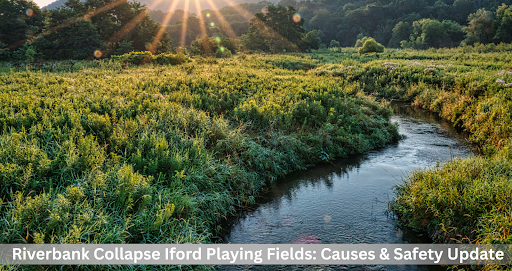

The recent riverbank collapse at Iford Playing Fields has left the community concerned and searching for answers. Nestled in a picturesque environment, these fields have long been a hub of activity for families, sports enthusiasts, and nature lovers alike.
The sudden shift in landscape raises questions about safety, environmental impacts, and the future of this beloved space.
As we delve deeper into the causes behind this incident and explore its implications on both ecology and public safety, it becomes clear that understanding the details is vital for everyone who cherishes Iford Playing Fields. Join us as we investigate what happened here and what can be done to safeguard our community moving forward.
Overview of Riverbank Collapse Iford Playing Fields
The riverbank collapse at Iford Playing Fields occurred unexpectedly, shaking the local community. This incident has raised alarms regarding safety and environmental stability in the area. The picturesque landscape that once provided a serene escape for residents now bears visible scars from this natural disaster.
Witnesses described hearing unsettling sounds before the collapse, which signaled an imminent threat to those enjoying the outdoors.
Fortunately, no injuries were reported, but the event left many shaken and concerned about future visits to this popular recreational space.
Local authorities responded swiftly by cordoning off affected areas to prevent any potential accidents.
Residents have been advised to stay clear of the collapsed riverbank while investigations into its causes are underway. Experts have been brought in to assess both immediate and long-term implications for public safety.
Aside from structural damage, there is growing concern over how this event could alter local ecosystems.
Wildlife habitats along the bank may be disrupted as sediment shifts and flora succumbs to erosion caused by rising water levels after heavy rains.
Reports indicate that several trees have fallen into the river due to soil instability on the banks. This not only affects aesthetics but can also impact aquatic life dependent on stable environments for survival.
As information continues to emerge about what led up to this collapse, community members are encouraged to participate in discussions about recovery efforts and preventive measures moving forward.
Maintaining transparency during these processes will be key for rebuilding trust between local authorities and residents who frequent Iford Playing Fields regularly.
Causes Behind the Riverbank Collapse Iford Playing Fields
The recent riverbank collapse at Iford Playing Fields has raised significant concerns among residents and environmentalists alike. Understanding the causes of this incident is essential for preventing future occurrences.
One primary factor contributing to the collapse is heavy rainfall. The region experienced an extended period of wet weather, which saturated the soil along the riverbanks. This excessive moisture weakened the ground’s structural integrity, making it prone to erosion.
Another critical cause lies in human activity. Construction work near the playing fields may have disturbed natural drainage patterns.
Altering these patterns can lead to increased water flow, exacerbating erosion and instability along riverbanks.
Vegetation also plays a vital role in maintaining soil strength. In areas where trees or shrubs are removed, there’s less root structure to hold the earth together.
The loss of such vegetation reduces resistance against water runoff and increases vulnerability to collapses.
Additionally, sediment buildup can impact riverbank stability. Over time, silt and debris gather along waterways due to poor management practices or upstream activities like farming or urban development.
This accumulation can obstruct normal water flow and create pressure points that contribute to bank failure.
Climate change cannot be overlooked as a long-term factor influencing weather patterns and increasing extreme events such as storms or prolonged rainfall periods.
These shifts put additional strain on already vulnerable landscapes like those found at Iford Playing Fields.
Local wildlife activities should be considered as well; burrowing animals can compromise soil stability by creating tunnels beneath surface layers that eventually weaken support structures during heavy rains.
Environmental and Ecological Impact of the Riverbank Collapse Iford Playing Fields
The riverbank collapse at Iford Playing Fields has raised significant concerns regarding its environmental and ecological impact. The immediate aftermath saw substantial soil erosion, which destabilized the area around the bank. This erosion not only alters the landscape but can also lead to increased sedimentation in nearby water bodies.
Increased sediment can cloud waterways, affecting aquatic life by reducing sunlight penetration essential for plant growth. Fish and other aquatic organisms rely on clear waters to thrive; excessive sediment can suffocate eggs and disrupt feeding patterns. These changes threaten local biodiversity.
Moreover, as vegetation is lost due to erosion, habitats for various species diminish. Birds that nest near riverbanks may find their sites destroyed or compromised.
The loss of trees and plants can also affect insect populations, disrupting food chains that depend on these insects as primary food sources.
Water quality is another crucial concern following such collapses. Runoff from eroded areas often carries pollutants into rivers, worsening conditions for fish and other wildlife already under stress from human activity.
Algal blooms may proliferate in nutrient-rich runoff environments, further deteriorating water quality.
Flooding potential increases too; a collapsed riverbank means less natural barrier against rising waters.
Floodwaters could inundate surrounding areas, leading to more extensive damage beyond just the playing fields themselves.
Native plant species may struggle to reclaim affected areas unless remediation efforts are implemented promptly and effectively. Invasive species might take hold instead—further threatening local ecosystems with their aggressive growth patterns.
Community awareness becomes vital in addressing these environmental impacts through restoration projects aimed at stabilizing the riverbank while promoting native flora recovery efforts moving forward.
Safety Concerns for the Public After the Riverbank Collapse Iford Playing Fields
The recent riverbank collapse at Iford Playing Fields has raised significant safety concerns for the local community.
The incident, which resulted in a large section of land giving way to the river, poses immediate risks that cannot be ignored.
The structural integrity of nearby pathways and recreational areas is compromised. With heavy rains or further erosion, additional collapses could occur. This endangers anyone using these facilities, especially children who frequent the fields for play.
There are potential hazards related to debris scattered around the site. Fallen trees and displaced soil can create tripping risks or block access routes necessary for emergency services.
Keeping these areas clear is essential to ensure public safety.
Water levels may fluctuate due to changes in soil stability after such an event. Rising waters can lead not only to flooding but also increase chances of accidents near waterways where people might attempt fishing or other activities.
Another concern involves wildlife dislocation caused by the collapse itself. Animals may seek refuge on roads or populated areas as their habitats have been destroyed, increasing encounters between humans and wildlife—an unforeseen risk factor that needs addressing.
Furthermore, there’s a psychological aspect affecting residents’ sense of security in their environment post-collapse.
Local families might hesitate to visit affected parks out of fear that another slip could happen again without warning.
It’s crucial for authorities to maintain open communication with residents regarding ongoing assessments and any remedial actions being taken at Iford Playing Fields. Transparency fosters trust while ensuring everyone remains informed about potential dangers surrounding this unfortunate event.
Ongoing Monitoring and Remediation Efforts at Riverbank Collapse Iford Playing Fields
Following the riverbank collapse at Iford Playing Fields, local authorities have implemented a series of ongoing monitoring efforts.
These initiatives aim to assess the extent of damage and prevent further incidents. Regular inspections are now part of standard protocol in this area.
Environmental specialists are closely observing soil stability and water levels along the riverbank.
They employ advanced technology, including drones and ground-penetrating radar, to gather crucial data. This helps them understand how erosion is progressing over time.
Community engagement plays a vital role in these efforts as well. Residents near Iford Playing Fields are encouraged to report any unusual changes or concerns they might observe.
Their feedback can be instrumental in identifying potential risks that may not be immediately visible.
In addition to monitoring, remediation measures have been set in motion. The local council is collaborating with environmental experts to develop strategies for sustainable restoration of the riverbank area.
This includes reinforcing vulnerable sections through vegetation planting and using eco-friendly materials.
Another key aspect involves public communication on safety updates regarding Iford Playing Fields. Authorities provide regular briefings about field conditions via social media channels and community boards, ensuring transparency throughout the process.
Educational programs aimed at raising awareness about riverbank erosion are also being introduced within schools nearby.
Teaching children about environmental stewardship promotes long-term community involvement in preservation activities.
These combined efforts reflect a comprehensive approach toward addressing both immediate concerns and future challenges related to the riverbank collapse at Iford Playing Fields.
How the Community Can Respond to the Riverbank Collapse Iford Playing Fields
The recent riverbank collapse at Iford Playing Fields has raised concerns within the community. A proactive response can help mitigate the impact of this incident and foster a sense of unity.
First, community members are encouraged to stay informed. Joining local forums or social media groups will provide updates on safety measures and remediation efforts. Engaging in discussions can also bring awareness to any ongoing issues related to the collapse.
Second, volunteering for cleanup initiatives is an excellent way for residents to contribute positively.
Local organizations often organize events that aim to restore natural habitats affected by erosion. Offering time or resources can significantly enhance these recovery efforts.
Additionally, advocacy plays a crucial role in addressing environmental challenges. Residents should consider contacting local authorities and expressing their concerns regarding future preventative measures. Community voices are vital in ensuring that decision-makers prioritize riverbank stability.
Organizing educational workshops about river health can further empower residents. These sessions could cover topics such as responsible land use and sustainable practices that protect water bodies from erosion-related risks.
Neighbors can form support networks too, sharing knowledge about safety protocols when visiting nearby parks or recreational areas impacted by the collapse.
Such connections strengthen communal bonds while enhancing overall public awareness of potential hazards.
Attending town hall meetings provides an opportunity for direct dialogue with officials overseeing remediation plans at Iford Playing Fields.
Expressing opinions during these gatherings ensures stakeholders remain accountable regarding safety improvements.
By actively participating in various responses, including staying informed and advocating for change, the community can play a pivotal role in navigating through this challenging situation together.
Future Prevention Measures for Riverbank Collapse Iford Playing Fields
Looking ahead, implementing effective prevention measures is crucial for safeguarding the Riverbank at Iford Playing Fields.
Authorities must prioritize comprehensive assessments of the area’s geological and hydrological factors. Understanding these elements will help identify potential weaknesses in the riverbank’s structure.
Regular maintenance plays a vital role as well. This includes reinforcing areas that show early signs of erosion or instability.
Vegetation management can also be an essential strategy; planting native plant species along the banks can enhance soil cohesion and reduce runoff, thus stabilizing the area.
Community involvement should not be overlooked either. Engaging local residents in monitoring efforts fosters awareness and encourages reporting any suspicious changes to authorities promptly.
Educational programs about environmental stewardship could empower citizens to actively participate in preserving their natural surroundings.
Investing in advanced technology for real-time monitoring will provide timely data on water levels, flow rates, and structural integrity. Such proactive approaches can mitigate risks before they escalate into significant issues.
Collaboration with environmental experts ensures that all strategies align with ecological best practices while addressing community needs effectively.
By adopting a multi-faceted approach combining science, community action, and sustainable practices, we can significantly reduce the risk of future riverbank collapses at Iford Playing Fields.